Housekeeping Cleaning Equipment List for Hotels
Housekeeping cleaning equipment list for hotels covering carts, vacuums, microfiber, and cleaning in progress signs, OSHA, productivity, and procurement.
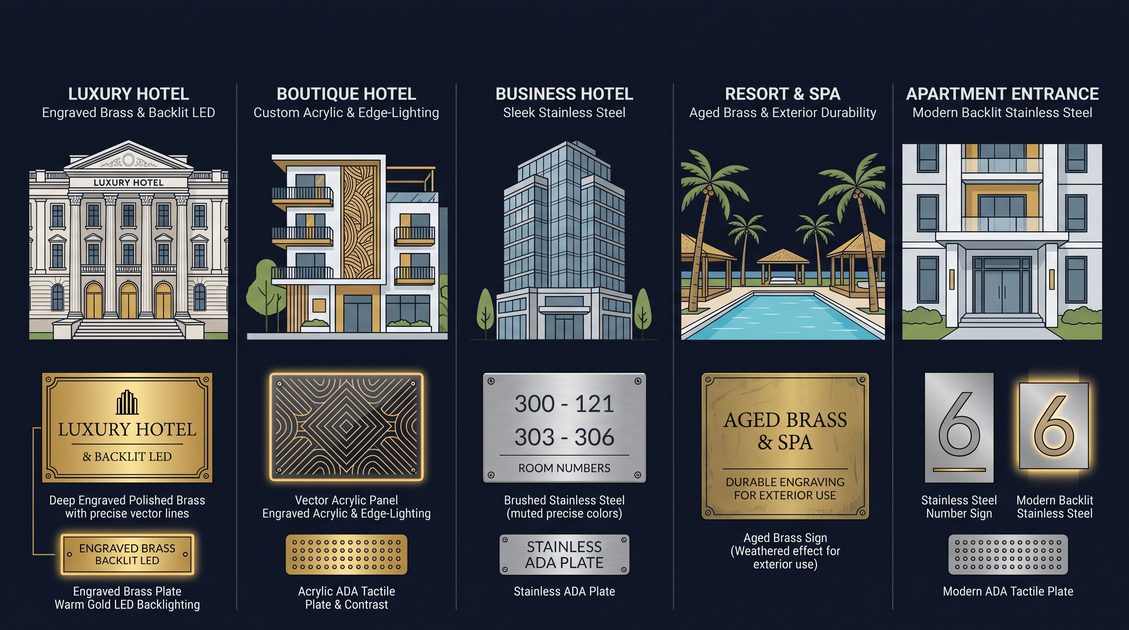
Housekeeping cleaning equipment is the combined set of carts, machines, tools, and consumables that hotel housekeeping teams use to clean, sanitize, restock, and visually manage guest rooms and public areas across a property. A well-spec'd housekeeping cleaning equipment program also lowers the training burden for seasonal staff. A complete housekeeping cleaning equipment program typically pairs a wheeled housekeeping cart (600 to 1100 mm wide) holding linens, amenities, and chemicals with a canister or backpack vacuum rated 800 to 1400 watts, microfiber cloths and mops in a color-coded system, and a floor machine such as a single-disc buffer or auto-scrubber for hard surfaces. Housekeeping cleaning equipment is specified by duty cycle, tank or bag capacity, filtration grade, and noise level, with quiet models running below 60 dB to protect guest comfort. Standard commercial housekeeping cleaning equipment costs USD 400 to USD 2,500 per room-attendant kit at MOQ 50, while an auto-scrubber reaches USD 1,800 to USD 6,000. Reputable manufacturers supply CE, RoHS, and ISO 9001 certification, and a 100,000-piece monthly capacity supports estate-wide rollouts for hotels across the United States, United Kingdom, Canada, Australia, Singapore, and Germany.
Why housekeeping cleaning equipment matters for hotels
Housekeeping cleaning equipment matters for hotels because it directly determines room turnaround speed, guest health perception, and labor cost per cleaned room, three metrics that decide both review scores and margin in a competitive hospitality market. A well-specified housekeeping cleaning equipment set is the foundation of every profitable housekeeping operation regardless of property size. When every attendant is issued consistent housekeeping cleaning equipment, a standard room cleans in 25 to 35 minutes and a checkout suite in 45 to 70 minutes, figures that fall apart when carts lack organization or vacuums lose suction mid-shift. Housekeeping cleaning equipment is also a safety and compliance surface because OSHA records thousands of hotel housekeeping injuries each year from slips, chemical exposure, and repetitive strain.
Housekeeping cleaning equipment cuts that exposure through ergonomic carts, closed chemical systems, and color-coded microfiber that prevents cross-contamination between restrooms and food areas. Reliable housekeeping cleaning equipment cuts guest complaints about cleanliness after the attendant leaves. The right housekeeping cleaning equipment also shortens the learning curve for new attendants during peak season. Beyond compliance, durable housekeeping cleaning equipment protects the fit-out investment by resisting daily chemical contact and corridor impacts for three to seven years.
Procurement leaders who specify housekeeping cleaning equipment as managed infrastructure rather than disposable consumables report lower replacement rates, higher inspector pass rates, and smoother brand-standard audits, making the equipment a quiet but measurable contributor to property performance and guest satisfaction across every market the hotel serves from the United States to Germany. The managed housekeeping cleaning equipment also lowers the total cost of ownership that the finance team tracks across the portfolio.
Core housekeeping cleaning equipment list for hotels
The core housekeeping cleaning equipment list for hotels spans transport, suction, surface, floor care, sanitation, and signaling, and the list below reflects what a 150-room select-service property issues per attendant shift. This housekeeping cleaning equipment simplifies seasonal staff training on the floor. Effective housekeeping cleaning equipment keeps every shift consistent across the property. Housekeeping cleaning equipment begins with the wheeled cart holding a vinyl bag for soiled linen, a trash bin, and caddies for amenities and chemicals, then a vacuum for carpet and a flat mop system for hard floors. A lean housekeeping cleaning equipment layout puts the most-used items at waist height so the attendant never bends mid-room. Surface tools include microfiber cloths in a four-color code, scrapers, and dusters, while sanitation adds a sprayer and a closed chemical dilution system.
Floor care extends to a single-disc buffer or auto-scrubber for lobbies and corridors, and signaling adds the cleaning-in-progress door sign that coordinates with the room-status system. A documented housekeeping cleaning equipment floor plan keeps the buffer and the scrubber stored where the attendant reaches them first. Housekeeping cleaning equipment of this kind should be standardized per attendant so every shift starts identically and the front desk can trust the room count. A property-wide standard for housekeeping cleaning equipment also simplifies training and reordering across seasons.
For a property serving the United States, United Kingdom, Canada, Australia, Singapore, and Germany, the same core housekeeping cleaning equipment works across climates if materials resist humidity in Singapore and cold-dry air in Germany, and signs carry the local accessibility and language needs with CE, RoHS, and ISO 9001 certification. The climate-rated housekeeping cleaning equipment also avoids the mid-season failure that forces a re-order from the Shenzhen line. A consistent housekeeping cleaning equipment spec keeps the brand audit clean in every market the hotel serves.
| Category | Item | Typical spec | Cost per unit |
|---|---|---|---|
| Transport | Housekeeping cart | 900 mm wide, 4 bags | USD 180 to USD 520 |
| Suction | Backpack vacuum | 1000 to 1400 W, HEPA | USD 220 to USD 480 |
| Surface | Microfiber cloth set | 12 to 24 cloths, color-coded | USD 8 to USD 22 |
| Floor | Auto-scrubber | 17 to 20 inch, 12 L tank | USD 1,800 to USD 6,000 |
| Sanitation | Chemical dilution system | Closed, 4 chemicals | USD 90 to USD 260 |
| Signaling | Cleaning-in-progress sign | Printed acrylic, bilingual | USD 1.50 to USD 6 |
Housekeeping carts and trolleys
Housekeeping carts and trolleys are the mobile command center of any cleaning program, and the design of the cart dictates how many rooms an attendant completes before a resupply trip. The right housekeeping cleaning equipment cart also sets the pace that the rest of the kit follows during the shift. A well-built housekeeping cart carries soiled linen in a sealed vinyl bag, separates clean linen on a ventilated shelf, and holds a 10 to 20 liter caddy of chemicals. Housekeeping cleaning equipment of this kind should include a vacuum hitch or tray, a trash bin with a foot pedal, and a folding shelf for amenities so the corridor stays clear.
Commercial carts use 100 to 125 mm non-marking wheels rated for 50 to 80 kg loads, and a perimeter bumper protects wall corners during tight turns. Housekeeping cleaning equipment buyers should match cart width to corridor width so the attendant never blocks the hallway or scrapes the wall with a loaded bin. The correct housekeeping cleaning equipment choice here prevents the daily wall repair that erodes margin.
For hotels across the six export markets, a cart with fixed bins and a bumper outlasts a cheap open model because the attendant stops searching mid-room and the property avoids wall repair, so the housekeeping cleaning equipment pays back within the first refurbishment cycle rather than costing extra later.
| Cart type | Width | Load | Best for | Price |
|---|---|---|---|---|
| Compact | 600 mm | 40 kg | Boutique, limited corridors | USD 140 to USD 260 |
| Standard | 900 mm | 60 kg | Select-service, full floors | USD 240 to USD 420 |
| Houseperson | 1100 mm | 80 kg | Public area, heavy linen | USD 320 to USD 520 |
Vacuums and suction equipment
Vacuums and suction equipment form the most-used category of housekeeping cleaning equipment, and the choice between canister, upright, and backpack models changes both ergonomics and cleaning speed on carpeted guest floors. A reliable housekeeping cleaning equipment vacuum also cuts the noise complaints that reach the front desk during the morning turn. Backpack vacuums win in hotels because they leave both hands free, clean under beds without moving furniture, and cut a room by three to five minutes versus an upright. Housekeeping cleaning equipment in this class should carry a HEPA filter rated 99.97 percent at 0.3 microns to trap allergen particles. The chosen housekeeping cleaning equipment vacuum also protects the guest with fewer dust complaints after the attendant leaves.
Canister models suit hard-floor lobbies with a combi nozzle, and wet-dry vacs serve flood and spill recovery. Housekeeping cleaning equipment with a 12 to 16 meter hose reach covers a standard room from one outlet, protecting guest comfort because the noise stays at 58 to 68 dB rather than the 75 dB of a corded upright. A quiet housekeeping cleaning equipment setup is part of the brand promise in a full-service hotel.
For properties in the United States, United Kingdom, Canada, Australia, Singapore, and Germany, the same backpack housekeeping cleaning equipment meets brand and air-quality audits, and a sealed HEPA unit reduces guest complaints about dust that cheaper models leave behind on the carpet after the attendant leaves the room.
| Type | Power | Noise | Reach | Price |
|---|---|---|---|---|
| Backpack | 1000 to 1400 W | 58 to 68 dB | 12 to 16 m | USD 220 to USD 480 |
| Canister | 800 to 1200 W | 60 to 70 dB | 9 to 12 m | USD 160 to USD 360 |
| Upright | 900 to 1300 W | 65 to 75 dB | Cord only | USD 120 to USD 300 |
Microfiber and cloth systems
Microfiber and cloth systems are the highest-leverage low-cost category of housekeeping cleaning equipment because they replace dozens of disposable wipes with a washable fabric that lifts 95 to 99 percent of bacteria when used damp. Proper housekeeping cleaning equipment keeps the corridor clear during the room turn at the property. The simple housekeeping cleaning equipment cloth system also trains in minutes for a new hire on the floor. Housekeeping cleaning equipment programs adopt a color code so red cloths never touch a surface outside restrooms, blue stays on glass, green covers general surfaces, and yellow serves food areas. A quality microfiber weave is 70 to 80 percent polyester at 250 to 350 gsm.
Microfiber survives 200 to 500 commercial launderings before fiber breakdown, which is why buying cheap 80 gsm cloths costs more per clean than premium ones over the building's life. Housekeeping cleaning equipment with a documented color code protects the property from the cross-contamination OSHA and brand auditors flag most often during inspections of guest rooms and public areas. A complete housekeeping cleaning equipment audit always checks that the color code is intact on every cloth in the caddy.
For hotels across the six export markets, the four-color microfiber system works across languages because the color, not the word, carries the rule, and a supplier with CE, RoHS, and ISO 9001 certification and a 100,000-piece monthly capacity ships the cloths with the carts in one consolidated order from Shenzhen within the 20 to 30 day mass-production window.
| Color | Zone | Cloths per attendant | Launderings |
|---|---|---|---|
| Red | Restroom | 4 to 6 | 300 to 500 |
| Blue | Glass, mirror | 3 to 4 | 300 to 500 |
| Green | General surface | 6 to 8 | 300 to 500 |
| Yellow | Food, kitchen | 2 to 3 | 300 to 500 |
Floor machines and buffers
Floor machines and buffers are the heavy category of housekeeping cleaning equipment reserved for hard surfaces in lobbies, corridors, and function spaces where daily foot traffic dulls stone and tile faster than manual mopping restores. A capable housekeeping cleaning equipment buffer also restores the lobby shine that the brand standard demands at the property. A single-disc buffer runs 150 to 300 rpm on a 17 to 20 inch pad driver and performs spray-buffing, scrubbing, and light stripping across the floor. Housekeeping cleaning equipment of this kind should carry a sealed motor and a pad guard so operators avoid cord strikes and splash.
An auto-scrubber combines solution, brush, and vacuum recovery in one pass to clean 800 to 2000 square meters per hour with a 12 to 60 liter tank. Housekeeping cleaning equipment buyers should choose quieter battery models at 62 to 70 dB for daytime corridors rather than corded 75 dB units that disturb guests and staff during peak hours of the operating day. The right floor-care housekeeping cleaning equipment also lowers the slip risk that triggers guest injury claims.
For hotels in the United States, United Kingdom, Canada, Australia, Singapore, and Germany, the same floor machine class serves every market if the pads and brushes are rated for the local soil load, and a supplier with 100,000-piece monthly capacity and MOQ 50 supports both a single boutique and a 1000-room resort from one Shenzhen production line with 7 to 10 day sampling.
| Machine | Speed | Tank | Coverage | Price |
|---|---|---|---|---|
| Single-disc buffer | 150 to 300 rpm | n/a | 300 to 600 m2/h | USD 300 to USD 900 |
| Walk-behind scrubber | 200 to 250 rpm | 12 to 30 L | 800 to 1500 m2/h | USD 1,800 to USD 4,500 |
| Ride-on scrubber | 200 to 250 rpm | 50 to 90 L | 2500 to 4500 m2/h | USD 5,000 to USD 12,000 |
Cleaning-in-progress signage and room status
Cleaning-in-progress signage is the signaling half of housekeeping cleaning equipment, and it bridges the physical clean with the digital room-status system that front desk, managers, and guests rely on for occupancy and availability. A cleaning-in-progress sign is a printed or engraved plate hung on the door handle or slid into a holder that tells passing guests and staff the room is occupied by cleaning. Housekeeping cleaning equipment of this kind pairs with the property management system through a status that flips from dirty to clean the moment the attendant finishes. A reliable housekeeping cleaning equipment sign loop means the front desk never sells a room that is still wet or mid-turn.
Modern hotels add an LED or e-ink room-status sign at the door that mirrors the PMS so the floor supervisor sees live progress without walking every room. Reliable housekeeping cleaning equipment cuts guest complaints about cleanliness after the attendant leaves. Housekeeping cleaning equipment with a bilingual or icon-only face works across languages because the pictogram carries the meaning for guests who do not read the local text on the plate. A well-matched housekeeping cleaning equipment set reduces the friction between clean rooms and sellable rooms at the front desk.
HotelDoorPlate supplies cleaning-in-progress and room-status signs in acrylic, aluminum, and brass with CE, RoHS, and ISO 9001 certification, and a 100,000-piece monthly capacity for estate-wide programs across the US, UK, Canada, Australia, Singapore, and Germany, with MOQ 50 pieces and lead times of 7 to 10 days for samples and 20 to 30 days for mass production from the Shenzhen exporter.
| Sign type | Material | Link to PMS | Price |
|---|---|---|---|
| Handle hanger | Printed card | None | USD 0.40 to USD 1.20 |
| Door pocket sign | Acrylic, printed | None | USD 1.50 to USD 6 |
| LED status sign | Acrylic, LED | WiFi, PoE | USD 18 to USD 60 |
| Engraved plate | Brass, aluminum | None | USD 4 to USD 14 |
How room status signs interact with housekeeping
How room status signs interact with housekeeping is the operational linkage that turns a clean room into a sellable room within minutes instead of hours, and the mechanism is simpler than most properties realize once the signaling is standardized across the floor. A clear housekeeping cleaning equipment sign standard also removes the guesswork that stalls a room sale at the front desk. When an attendant opens a door with a cleaning-in-progress sign displayed, the PMS should already show the room as dirty or in-progress before the clean begins. Housekeeping cleaning equipment that includes an LED or NFC-enabled door sign lets the attendant tap to update status from the doorway.
When the attendant finishes and removes the sign, that action should trigger a status flip to clean or inspected so the front desk can sell it without a phone call. Housekeeping cleaning equipment of this kind removes the walk back to a terminal that adds two to four minutes per room in large hotels with hundreds of checkouts each morning shift. The same housekeeping cleaning equipment logic also frees the supervisor to inspect rather than chase status updates all morning.
For hotels operating across the United States, United Kingdom, Canada, Australia, Singapore, and Germany, the same bilingual and icon-based status sign language works across languages because the pictogram carries the meaning, and the same housekeeping cleaning equipment spec satisfies audits everywhere the estate operates from the six export markets served by the Shenzhen supplier.
| PMS status | Door sign shown | Attendant action | Result |
|---|---|---|---|
| Dirty | Cleaning in progress | Clean room | Flip to clean |
| In-progress | Cleaning in progress | Finish, inspect | Flip to inspected |
| Clean | None | None | Sellable |
| Out of order | Maintenance | Report fault | Blocked |
OSHA and safety rules for housekeeping cleaning equipment
OSHA and safety rules for housekeeping cleaning equipment center on the hazards OSHA cites most in hospitality: slips, trips, falls, chemical burns, bloodborne pathogens, and musculoskeletal strain from repetitive motion and awkward posture during the shift. The safety-rated housekeeping cleaning equipment also reduces the workers-comp claims that hit the property's insurance line each year. Housekeeping cleaning equipment must support a safety program where the cart is the anchor because a loaded cart with a perimeter bumper prevents corridor collisions that injure guests and staff. A closed dilution system means attendants never pour concentrates that burn skin.
OSHA's Hazard Communication standard requires Safety Data Sheets for every chemical and a closed dilution system, while the Bloodborne Pathogens standard demands gloves, a sharps protocol, and a spill kit for needle and body-fluid events that housekeepers meet far too often in real hotels. Housekeeping cleaning equipment with waist-high linen bags cuts back injury by reducing bending 60 to 100 times per shift. The documented housekeeping cleaning equipment safety routine keeps the injury rate low across every shift the property runs.
For properties in the United States, United Kingdom, Canada, Australia, Singapore, and Germany, the SDS must carry the local hazard language, and a supplier with CE, RoHS, and ISO 9001 certification smooths customs and brand audits so the housekeeping cleaning equipment clears every border and inspection across the six export markets without delay. The compliant housekeeping cleaning equipment also keeps the safety file ready for the next municipal inspection at the property.
| Hazard | Standard | Equipment control | Note |
|---|---|---|---|
| Chemical burn | HazCom | Closed dilution system | SDS on file |
| Slip, trip | General Duty | Bumper cart, signage | Wet-floor sign |
| Musculoskeletal | Ergo | Backpack vacuum | Less bending |
| Bloodborne | BBP | Gloves, spill kit | Sharps protocol |
Productivity metrics for housekeeping cleaning equipment
Productivity metrics for housekeeping cleaning equipment translate tool choices into hard numbers that justify procurement, and the two benchmarks every hotel tracks are minutes per room and cost per cleaned room across the operating year. A tracked housekeeping cleaning equipment metric set also gives the GM the proof needed to defend the next kit upgrade at the property. With standardized housekeeping cleaning equipment, a standard occupied room cleans in 25 to 35 minutes and a checkout in 35 to 50 minutes, while a suite runs 45 to 70 minutes per turn. A well-organized cart plus backpack vacuum saves three to six minutes per room versus a disorganized setup.
Over 30 rooms per shift that recovered time equals 90 to 180 minutes daily, which a floor supervisor can redirect to inspect or to turn a late checkout before the front desk sells it. Housekeeping cleaning equipment also drives cost per room through consumable use because color-coded microfiber at 300 launderings costs roughly USD 0.03 per wipe versus USD 0.10 for disposables. A lean housekeeping cleaning equipment program turns those savings into margin every month of operation.
For hotels across the six export markets, the same productivity math applies because labor is the largest line in housekeeping whether the property is in Singapore or Germany, and the right housekeeping cleaning equipment returns the investment through saved minutes and reduced chemical spend within the first season of operation. The tracked housekeeping cleaning equipment metrics also give the GM a defensible basis for the next labor budget at the property.
| Metric | Poor setup | Good setup | Gain |
|---|---|---|---|
| Minutes per room | 38 to 52 | 25 to 35 | 13 to 17 min |
| Wipes per room | 8 to 12 disposable | 4 to 6 microfiber | 50 to 60 percent less |
| Chemical per room | 30 to 50 ml | 18 to 30 ml | 20 to 40 percent less |
Chemical and sanitation supplies
Chemical and sanitation supplies are the consumable engine of housekeeping cleaning equipment, and a closed, color-coded system outperforms loose bottles on cost, safety, and audit outcome in every market a hotel serves from the United States to Germany. A well-run housekeeping cleaning equipment chemical set also protects the guest from the residue that loose bottles leave on surfaces at the property. A standard hotel chemical set covers all-purpose cleaner, restroom descaler, glass cleaner, disinfectant, and floor finish dosed through a wall or cart-mounted dilution station. Housekeeping cleaning equipment in the sanitation class adds a disinfectant rated for the pathogens brand standards name.
A closed dilution station draws concentrate at a fixed ratio so attendants never measure by eye, eliminating the over-pour that wastes 20 to 40 percent of chemical and the splash that burns skin during a fast turnover. Housekeeping cleaning equipment buyers should require SDS in the local language for the US, UK, Canada, Australia, Singapore, and Germany so customs and auditors accept the shipment without hold. A properly documented housekeeping cleaning equipment chemical set also passes the brand audit on the first visit rather than after a correction.
For hotels served by the Shenzhen exporter, the same chemical set ships with CE, RoHS, and ISO 9001 documentation and a 100,000-piece monthly capacity covers both the bottles and the carts in one consolidated housekeeping cleaning equipment order at MOQ 50 pieces within the 20 to 30 day mass-production window.
| Chemical | Use | Dilution | Audit note |
|---|---|---|---|
| All-purpose | Surfaces | 1:32 | Daily |
| Restroom | Descale, disinfect | 1:16 | Daily |
| Glass | Mirrors | 1:40 | As needed |
| Disinfectant | Touchpoints | Per label | Verify contact time |
| Floor finish | Protect | Per label | Periodic |
Procurement guide for housekeeping cleaning equipment
A procurement guide for housekeeping cleaning equipment keeps a multi-property program on schedule and within budget while satisfying safety law and brand standards across every market the estate serves from the six export destinations. The same housekeeping cleaning equipment guide also works for a single boutique as for a 600-room convention hotel at the property. Begin by auditing rooms, corridors, and public areas to size the cart count, the vacuum count, and the microfiber volume needed per shift across the building. Specify housekeeping cleaning equipment by duty cycle, not sticker price, because a backpack vacuum rated 1000 to 1400 watts outperforms a cheap upright on speed.
Require a compliance package referencing CE, RoHS, and ISO 9001, and request SDS for every chemical in the local language for the US, UK, Canada, Australia, Singapore, and Germany so the shipment clears customs without a hold at the border. Confirm minimum order quantity, lead time, and monthly capacity against your rollout dates before releasing the purchase order to the supplier. The documented housekeeping cleaning equipment compliance package also shortens the brand audit at every property the group operates.
Request a single proof cart and vacuum before full production, and negotiate a 10 to 15 percent spare over-run so a failed wheel or clogged filter never stalls a floor handover. Housekeeping cleaning equipment specified this way arrives consistent across phases and years, and the Shenzhen supplier with 100,000-piece monthly capacity absorbs the order within one production month at MOQ 50 pieces. The proof housekeeping cleaning equipment step also catches ergonomic issues before the full order ships to the property.
| Step | Action | Target | Note |
|---|---|---|---|
| Audit | Count rooms | 1 cart per 14 to 18 | Per shift |
| Specify | Duty cycle | HEPA, 1000 W plus | Speed, comfort |
| Comply | Certs, SDS | CE, RoHS, ISO 9001 | Local language |
| Order | MOQ, lead | 50 pcs, 20 to 30 days | Plus 10 to 15 percent spares |
Cost breakdown of housekeeping cleaning equipment
The cost breakdown of housekeeping cleaning equipment divides into transport, suction, surface, floor care, sanitation, signaling, and freight, and the split tells a buyer where to spend for the biggest return on the fit-out budget. A clear housekeeping cleaning equipment cost split also prevents the over-spend that eats the refurbishment budget at the property. Transport runs USD 180 to USD 520 and lasts three to seven years, suction costs USD 120 to USD 480 with a three to five year motor life, and surface microfiber costs USD 8 to USD 22 per set replaced every six to twelve months. Floor care ranges from USD 300 to USD 12,000 by machine class.
Housekeeping cleaning equipment freight from Shenzhen adds about USD 0.40 to USD 1.20 per kilogram by sea to the US west coast, so a 25 kg cart carries roughly USD 10 to USD 30 of shipping per unit delivered to the port. A realistic 50-attendant program lands near USD 25,000 to USD 60,000 all-in for carts, vacuums, microfiber, and signage across the property estate. The housekeeping cleaning equipment freight line is worth modeling per property before the purchase order is released to the supplier.
Budget 5 to 10 percent extra for spares covering damage and expansion, because housekeeping cleaning equipment wears unevenly and a single failed cart during a refurbishment stalls a floor handover. For hotels in the United States, United Kingdom, Canada, Australia, Singapore, and Germany, the same cost structure applies and the Shenzhen supplier quotes it with CE, RoHS, and ISO 9001 certification at MOQ 50 pieces. The spare-driven housekeeping cleaning equipment budget also protects the handover date during a fit-out.
| Line | Low | High | Life |
|---|---|---|---|
| Cart | USD 180 | USD 520 | 3 to 7 yr |
| Vacuum | USD 120 | USD 480 | 3 to 5 yr |
| Microfiber | USD 8 | USD 22 | 6 to 12 mo |
| Signage | USD 0.40 | USD 60 | 1 to 5 yr |
| Chemicals | USD 90 | USD 260 | Recurring |
MOQ and capacity for housekeeping cleaning equipment
Minimum order quantity and production capacity shape how a housekeeping cleaning equipment program is phased across a property portfolio, and a standard MOQ of 50 pieces fits single-floor pilots and boutique hotels that want to validate cart ergonomics before a campus-wide commitment. The phased housekeeping cleaning equipment program also lets a pilot floor prove the kit before the full estate order ships from Shenzhen. With monthly capacity of 100,000 pieces, a supplier can absorb a 5,000-cart multinational deployment in one production month while serving other clients at the same time. Lead time splits into sampling and mass production windows.
Sampling runs 7 to 10 days for proof carts and signs, and mass production runs 20 to 30 days for fabrication, anodizing, and QA before the housekeeping cleaning equipment ships from Shenzhen to the six export markets. For units with integrated LED status signs, add five to seven days for electronics assembly and functional testing at the factory before the order is released. The phased housekeeping cleaning equipment timeline lets a pilot floor validate the kit before the campus-wide rollout begins.
Procurement should sequence orders so guest-facing or highest-traffic floors get carts and signs first, then back-of-house and storage. The staged housekeeping cleaning equipment rollout also keeps the front-of-house looking complete during the fit-out. Because room numbers and brand colors shift during fit-out, negotiate a 10 to 15 percent over-run of blank or easily re-branded signs, and confirm the supplier can retain your artwork on file so later reorders stay identical to the original housekeeping cleaning equipment release across the United States, United Kingdom, Canada, Australia, Singapore, and Germany.
Training and standard operating procedures
Training and standard operating procedures turn housekeeping cleaning equipment from loose tools into a repeatable system, and the properties that score highest on brand audits are those with a documented clean sequence per room type posted on the cart. A trained housekeeping cleaning equipment routine also keeps the brand standard identical across every floor the attendant covers during the shift. Training should cover cart loading order so amenities, linen, and chemicals are in fixed bins the attendant reaches without thinking during the room turn. Vacuum technique that overlaps passes and reaches edges protects the carpet and the guest review across the floor.
Microfiber color code so red never crosses into food zones, and the exact moment to display and remove the cleaning-in-progress sign tied to the PMS status flip keep the room accurate for the front desk. Housekeeping cleaning equipment only pays back when every attendant follows the same method, so a one-page SOP card and a quarterly refresher protect the investment against drift. The SOP should list every piece of housekeeping cleaning equipment by name so a new hire learns the kit in one shift.
For hotels across the United States, United Kingdom, Canada, Australia, Singapore, and Germany, SOPs must reference local chemical SDS and OSHA or regional equivalents, and the signage language should be icon-based where staff or guests are multilingual, because the pictogram on the housekeeping cleaning equipment carries the meaning across language barriers without translation needed on the floor.
Maintenance and lifecycle of housekeeping cleaning equipment
Maintenance and lifecycle of housekeeping cleaning equipment protect the fit-out investment and keep safety compliance intact years after the initial buy, because a cart with a failed wheel or a vacuum with clogged HEPA slows the whole floor during peak turnover. A planned housekeeping cleaning equipment maintenance cycle also avoids the mid-shift breakdown that stalls a floor handover at the property. Daily maintenance for housekeeping cleaning equipment is a 5 minute end-of-shift wipe, filter shake, and cord check that any attendant can perform without tools. Weekly covers bag or tank sanitize and wheel bearing lube across the cart fleet.
Engraved and anodized housekeeping cleaning equipment lasts three to seven years indoors, while printed signs wear in one to three, so budget replacements on that curve rather than treating signage as permanent across the building. The durable housekeeping cleaning equipment choice also keeps the corridor brand consistent between refurbishments at the property. A practical plan reserves 5 to 10 percent spares from the original order to cover damage and early renames, and stores the artwork with the supplier so reorders match visually across phases and years of operation.
Audit housekeeping cleaning equipment annually for loose wheels, filter clog, cord fray, and sign legibility, because a plate that looked compliant at handover can degrade under cleaning and sunlight. For hotels in the six export markets, the Shenzhen supplier with 100,000-piece monthly capacity and MOQ 50 ships replacement parts within the 20 to 30 day window so the housekeeping cleaning equipment stays serviceable through the building's operating life without a visual break. The annual housekeeping cleaning equipment audit also feeds the next budget cycle with real wear data from the floor.
Housekeeping cleaning equipment for different hotel segments
Housekeeping cleaning equipment for different hotel segments varies by room count, service level, and labor model, and a one-size cart fails both a 40-room boutique and a 600-room convention hotel with different traffic and brand tiers. A segmented housekeeping cleaning equipment plan also tunes the kit to the traffic that each building actually sees during the operating day. Boutique and luxury properties favor compact carts with brass or acrylic cleaning-in-progress signs that match the decor because the visible corridor is part of the brand and a plastic hanger undercuts the tier. Select-service hotels use standard carts and backpack vacuums for speed across 150 to 300 rooms.
Full-service and convention hotels add auto-scrubbers and ride-on machines for massive lobbies and banquet precincts, plus LED status signs linked to the PMS so floor supervisors track dozens of rooms at once without walking the floor. Extended-stay hotels need larger linen capacity and kitchen-safe yellow microfiber because guests cook in the unit during longer stays. A property-wide housekeeping cleaning equipment standard keeps the brand consistent across every building the group operates.
For exports to the United States, United Kingdom, Canada, Australia, Singapore, and Germany, the same core housekeeping cleaning equipment works across climates if materials resist humidity in Singapore and cold-dry air in Germany, and signs carry the local accessibility and language needs with CE, RoHS, and ISO 9001 certification from the Shenzhen supplier at MOQ 50 pieces and 100,000-piece monthly capacity. The export-ready housekeeping cleaning equipment also clears the brand audit on the first submission at every property.
| Segment | Cart | Vacuum | Signage | Floor machine |
|---|---|---|---|---|
| Boutique | 600 mm | Backpack | Brass, acrylic | Buffer |
| Select-service | 900 mm | Backpack | Acrylic | Scrubber |
| Full-service | 1100 mm | Backpack | LED status | Ride-on |
| Extended-stay | 900 mm | Canister | Acrylic | Scrubber |
Signage tie-in: cleaning-in-progress and door plates
Signage tie-in between cleaning-in-progress signs and door plates is where a signage manufacturer such as HotelDoorPlate adds the most value, because the cleaning sign and the room number plate share a mounting zone, a brand language, and often a supplier across the floor. A unified housekeeping cleaning equipment signage language also makes the corridor read as one intentional system rather than a mix of vendors. A cleaning-in-progress sign that matches the door plate in material and finish looks intentional rather than stuck-on, and a holder that clips beside the room number plate keeps the corridor tidy during the room turn. Housekeeping cleaning equipment of this kind should use icon-plus-text faces so multilingual guests read it without translation.
The sign should flip or slide so the attendant updates status at the door without re-entering the room, which protects both revenue and guest privacy during a fast checkout morning. HotelDoorPlate supplies cleaning-in-progress signs with CE, RoHS, and ISO 9001 certification, a 100,000-piece monthly capacity, MOQ 50 pieces, and lead times of 7 to 10 days for samples and 20 to 30 days for mass production from Shenzhen. The matching housekeeping cleaning equipment signage language also keeps the corridor tidy during the room turn at every property.
For hotels across the United States, United Kingdom, Canada, Australia, Singapore, and Germany, the same housekeeping cleaning equipment signage language works across markets because the pictogram carries the meaning, and a single artwork with market-specific Braille satisfies audits everywhere the estate operates, keeping the housekeeping cleaning equipment visually identical across every property in the portfolio and every renovation that touches the collaborative spaces.
| Door plate | Cleaning sign | Mount | Material |
|---|---|---|---|
| Brass engraved | Brass hanger | Clip | Brass |
| Aluminum etched | Acrylic pocket | Aluminum, acrylic | |
| LED status | LED status | Screw | Acrylic, LED |
| Printed acrylic | Printed acrylic | Acrylic |
Sustainability in housekeeping cleaning equipment
Sustainability in housekeeping cleaning equipment is increasingly part of procurement scoring as hotels pursue LEED, BREEAM, and WELL certification, and the choices that cut waste also cut cost over the building's life across the six export markets. A sustainability-led housekeeping cleaning equipment program also strengthens the bid for the corporate rate that values ESG at the property. Color-coded microfiber at 300 to 500 launderings replaces thousands of disposable wipes per attendant per year, and a closed chemical dilution system ends the over-pour that sends excess surfactant down the drain, supporting indoor environmental quality credits in the submission. Housekeeping cleaning equipment with low-power LED status signs draws under 1.5 watts per unit. The efficient housekeeping cleaning equipment also trims the corridor energy line without a visible light drop during the evening shift.
A floor-wide deployment adds negligible energy load while improving room-status accuracy that reduces HVAC runtime in unsold rooms, which indirectly supports energy credits for the property. Suppliers with ISO 14001 environmental management and RoHS compliance simplify the documentation burden for green-building submissions, and a 100,000-piece monthly capacity from a single Shenzhen facility reduces per-unit shipping emissions versus multiple regional suppliers serving the same estate. The sustainable housekeeping cleaning equipment choice also strengthens the brand's ESG story with corporate clients.
Specifiers should request a declaration of recycled content and a recyclability statement for end-of-life housekeeping cleaning equipment, because auditors ask for the full lifecycle picture now. Choosing durable engraved and anodized housekeeping cleaning equipment over short-lived printed plates is itself a sustainability win, cutting waste and the carbon of repeat production runs across the decades-long operating life and reducing total cost of ownership for the hotel.
Common mistakes with housekeeping cleaning equipment
Common mistakes with housekeeping cleaning equipment cost hotels time, money, and sometimes compliance findings, and the patterns repeat across properties that skip a specification document before the purchase order is released to the supplier. A spec'd housekeeping cleaning equipment program avoids every one of these errors before the first cart ships from Shenzhen. The first is buying the cheapest cart without a bumper or fixed bins, so attendants search mid-room and bang walls, slowing cleans and damaging corridors during the turnover. The second is skipping HEPA filtration on vacuums, which leaves allergen particles that trigger guest complaints and fails air-quality audits at the property.
The third is using one cloth color for everything, inviting cross-contamination that OSHA and brand inspectors flag and that can spread pathogens from restroom to glass across the floor. The fourth is omitting the cleaning-in-progress sign or failing to tie it to the PMS, so rooms sell late or guests walk in on wet floors during the busy morning shift. A documented housekeeping cleaning equipment standard prevents all seven mistakes before the order is placed with the supplier.
The fifth is under-ordering spares, stalling a floor when one cart wheel fails, and the sixth is neglecting chemical SDS and local labels for the US, UK, Canada, Australia, Singapore, and Germany, blocking customs and audits. The seventh is treating signage as an afterthought rather than matching it to the door plate. Avoiding these starts with a clear spec and a proof cart reviewed by both housekeeping and safety staff before the full housekeeping cleaning equipment order is released across the six export markets. The mistake-proof housekeeping cleaning equipment spec also protects the property from the rework that follows a failed audit.
Future of housekeeping cleaning equipment
The future of housekeeping cleaning equipment trends toward deeper PMS integration, lighter ergonomic builds, and sustainable materials, and the changes target the two costs hotels feel most: labor minutes and consumable waste across the operating year. A forward-looking housekeeping cleaning equipment plan also locks in the connectivity that the next PMS upgrade will demand at the property. Auto-dosing chemical systems and RFID-tracked carts that log each room's clean time will feed the PMS directly, while LED and e-ink door signs show live status without a battery change for years and let an attendant tap to flip a room from dirty to clean at the doorway. Housekeeping cleaning equipment will shed weight through aluminum and recycled-composite carts.
Microfiber will move to bio-based fibers with the same 300 to 500 laundering life, and NFC and QR codes etched into signs will let a supervisor scan a room's clean history from a phone, turning static housekeeping cleaning equipment into a data node on the floor. Modular signs with replaceable name inserts will dominate hotels because they absorb renames at near-zero cost during a rebrand or refurbishment cycle. The connected housekeeping cleaning equipment trend also tightens the link between clean rooms and sold rooms at the front desk.
Procurement teams should specify housekeeping cleaning equipment that is future-proof in mounting and connectivity while never compromising the engraved tactile and printed status core that operations and accessibility law demand across every market the estate serves from the United States to Germany, because the Shenzhen supplier with 100,000-piece monthly capacity and MOQ 50 supports both the current and the next generation of the equipment in one consolidated order. The future-ready housekeeping cleaning equipment also protects the capital spent on the current fit-out from early obsolescence.
Choosing a supplier for housekeeping cleaning equipment
Choosing a supplier for housekeeping cleaning equipment programs determines not just unit price but the consistency, compliance, and scalability of the entire rollout across a property portfolio, and a qualified manufacturer should hold ISO 9001 for quality management and provide CE and RoHS declarations for materials and any electronics used. A proven housekeeping cleaning equipment supplier also keeps the spare over-run available so a failed wheel never stalls a handover. Production capacity is a practical gate because a supplier with a 100,000-piece monthly capacity can absorb a 5,000-cart multinational deployment within one production month while serving concurrent clients on overlapping renovation schedules. Ask for a single proof cart and sign before full production.
Verify the supplier can store your artwork and Braille translation on file so later reorders stay visually identical to the original release across the six export markets. Evaluate the supplier's ability to support bulk provisioning of LED status signs from a CSV namespace, because manual configuration per sign becomes a bottleneck during rapid expansion of the housekeeping cleaning equipment estate at a growing hotel group. The right housekeeping cleaning equipment partner also keeps the spare over-run available so a failed wheel never stalls a floor handover.
Confirm lead times of 7 to 10 days for sampling and 20 to 30 days for mass production, and the flexibility of the MOQ, commonly 50 pieces for standard models, since a low pilot threshold lets facilities validate ergonomics and ADA detail before a campus-wide commitment that is hard to reverse once installed across the United States, United Kingdom, Canada, Australia, Singapore, and Germany from the Shenzhen exporter.
Housekeeping cleaning equipment for small hotels
Housekeeping cleaning equipment for small hotels must deliver the same clean standard as a large property while fitting a tighter storeroom and a leaner labor model, because a 40-room inn still faces brand and guest expectations on every surface it touches during the stay. A small-hotel housekeeping cleaning equipment set also keeps the morning turn fast without a second attendant on the floor. Housekeeping cleaning equipment for small hotels typically centers on one compact cart that is 600 mm wide, a single backpack vacuum rated 1000 watts with HEPA filtration, and a color-coded microfiber set rather than a floor machine that would sit idle most days of the week. The compact housekeeping cleaning equipment kit also fits the lean labor model of a 40-room inn without waste. Housekeeping cleaning equipment for small hotels should still include a cleaning-in-progress sign linked to the PMS.
Housekeeping cleaning equipment for small hotels protects revenue on a property where every room counts, because the owner or single attendant can flip a room to sellable the moment it is ready rather than losing a walk-in to a competitor down the street. Housekeeping cleaning equipment for small hotels costs USD 600 to USD 1,800 for a complete attendant kit at MOQ 50 pieces from the Shenzhen supplier with 100,000-piece monthly capacity. The compact housekeeping cleaning equipment kit also fits a tight storeroom without wasting corridor space during the shift.
For a small hotel across the United States, United Kingdom, Canada, Australia, Singapore, and Germany, the same compliant housekeeping cleaning equipment components serve the property as a chain receives, with CE, RoHS, and ISO 9001 certification and lead times of 7 to 10 days for samples and 20 to 30 days for mass production, so the boutique gets the same quality as a flagship without a custom tooling premium on the order. The boutique housekeeping cleaning equipment order also ships from the same Shenzhen line that serves the large chains at MOQ 50 pieces.
Housekeeping cleaning equipment storage and closets
Housekeeping cleaning equipment storage and closets decide how fast an attendant starts each shift, because housekeeping cleaning equipment left in a damp or cramped closet degrades, grows odor, and fails mid-room when the property needs it most during peak turnover. Housekeeping cleaning equipment storage should keep carts on a level floor with a 300 mm aisle, linens in a ventilated shelf away from chemicals, and the vacuum hung so the hose drains rather than mildews after a wet pickup on the floor. The dry housekeeping cleaning equipment closet also prevents the odor that reaches guest floors through the service elevator during the shift. Housekeeping cleaning equipment storage should separate clean from soiled at the closet door.
A closed chemical dilution system capped and labeled per OSHA HazCom lets an inspector see compliance at a glance, protecting the property from a citation during a routine visit. Housekeeping cleaning equipment storage in hotels across the six export markets must meet local fire and chemical rules, and a supplier with CE, RoHS, ISO 9001 certification and a 100,000-piece monthly capacity can kit the closet with the same compliant components at MOQ 50 pieces and 20 to 30 days lead time from Shenzhen. The planned housekeeping cleaning equipment storage footprint also speeds the morning setup for every attendant on the floor.
Housekeeping cleaning equipment storage planned at fit-out avoids the retrofits that block the corridor and slow every clean, and the small footprint of a well-designed closet returns time on every room across the property's operating life in all six export markets the hotel serves, because the attendant grabs a full set in seconds rather than hunting through a bin for the right cloth and sprayer each morning. The fit-out-planned housekeeping cleaning equipment storage also protects the corridor from the clutter that fails a brand walk-through at the property.
Housekeeping cleaning equipment for resorts and casinos
Housekeeping cleaning equipment for resorts and casinos operates at a scale and intensity that breaks standard hotel kits, because a 1000-room resort with gaming floors, pools, and event spaces needs housekeeping cleaning equipment that survives constant use and covers carpet, tile, stone, and glass in one shift. Housekeeping cleaning equipment for resorts centers on auto-scrubbers for vast lobbies, ride-on machines for convention halls, and a fleet of backpack vacuums for guest corridors that run ten to fourteen hours a day. The resort-grade housekeeping cleaning equipment also covers the pool deck and the spa corridor without a second shift of carts. Housekeeping cleaning equipment for resorts must include a deep bench of cleaning-in-progress signs.
LED status plates tied to the PMS let floor supervisors track hundreds of rooms at once without walking every door during the busy convention week. The heavy-duty housekeeping cleaning equipment fleet also covers the gaming floor and the pool deck in a single shift without a second cart run. Housekeeping cleaning equipment for casinos adds late-night and daytime cleaning windows where quiet vacuums at 58 to 68 dB protect gamers and guests, and where color-coded microfiber at 300 to 500 launderings controls the cross-contamination that high traffic invites on the floor. The casino-grade housekeeping cleaning equipment also keeps the gaming floor open during the clean without a noise complaint from the pit.
Housekeeping cleaning equipment for resorts costs USD 40,000 to USD 200,000 for a full estate program, and a supplier with 100,000-piece monthly capacity, MOQ 50, and CE, RoHS, ISO 9001 certification supports rollouts across the US, UK, Canada, Australia, Singapore, and Germany from one Shenzhen facility with 7 to 10 day sampling and 20 to 30 day mass production, so the mega-property gets consistent equipment across every tower and every market it operates.
Housekeeping cleaning equipment for hospitals and care
Housekeeping cleaning equipment for hospitals and care facilities follows a stricter infection-control bar than hotels, because housekeeping cleaning equipment in a clinic must separate clean from soiled at every touch and carry disinfectants rated for the pathogens the standard names during the shift. The clinical housekeeping cleaning equipment also protects the patient from the cross-contamination that triggers a ward closure at the facility. Housekeeping cleaning equipment for care settings uses a four-color microfiber code with a fifth isolation color, and a closed dilution system that doses disinfectant to contact time so the surface stays wet long enough to kill. The care-grade housekeeping cleaning equipment also meets the audit that a hospital infection-control team runs before each contract renewal at the facility. Housekeeping cleaning equipment for hospitals includes a backpack or canister vacuum with HEPA filtration. A sealed housekeeping cleaning equipment liner also stops the path where a soiled cart would cross the clean side during the room turn.
A cart with a sealed soiled liner never crosses the clean side, protecting the patient and the cleaner from exposure during the room turn. Housekeeping cleaning equipment for care facilities supplied with CE, RoHS, ISO 9001 certification, MOQ 50, and a 100,000-piece monthly capacity serves clinics across the US, UK, Canada, Australia, Singapore, and Germany, with lead times of 7 to 10 days for samples and 20 to 30 days for mass production from the Shenzhen exporter at the required quality.
Housekeeping cleaning equipment for hospitals should carry an SDS in the local language and a spill kit for bloodborne events, because OSHA and regional equivalents cite chemical and sharps exposure most in these settings. The hospital-grade housekeeping cleaning equipment also meets the audit that the infection-control team runs before each contract renewal at the facility. Housekeeping cleaning equipment specified by duty cycle and filtration outlasts cheap kits that clog and leak, and the spare over-run of 10 to 15 percent keeps the facility compliant through outbreaks when every room turns over faster than usual across all six export markets served by the supplier.
Housekeeping cleaning equipment audits and inspections
Housekeeping cleaning equipment audits and inspections turn a purchase into a managed asset, because housekeeping cleaning equipment that passes a quarterly check cleans faster and safer than kit that is never reviewed and quietly loses suction or a wheel during the operating year. The managed housekeeping cleaning equipment program also gives the GM a clean line item for the next capex review at the property. Housekeeping cleaning equipment audits should score each cart for bumper integrity, bin order, and wheel wear, each vacuum for filter clog and cord fray, and each microfiber set for the color code being intact and laundered within its life. The structured housekeeping cleaning equipment audit also gives the supplier a clean reorder spec that matches the original release across the six export markets. Housekeeping cleaning equipment audits must verify the cleaning-in-progress sign is present and tied to the PMS status. A signed-off housekeeping cleaning equipment audit also gives the front desk the confidence to sell the room the moment the attendant finishes the turn.
Housekeeping cleaning equipment inspections catch the drift where one floor's cart tilts and the next sits straight, undermining brand uniformity and the muscle memory of repeat guests who navigate by the cart's place in the corridor. Housekeeping cleaning equipment audits should photograph the proof plate and the spare over-run so a damaged sign or vacuum is replaced from stock rather than stalling a handover at the end of the refurbishment. The quarterly housekeeping cleaning equipment inspection also aligns the kit with the current brand standard after a refurbishment cycle.
Housekeeping cleaning equipment inspections done quarterly protect the fit-out investment and keep safety compliance intact for the building's operating life, and the small labor of the audit returns hours of attendant time and avoided complaints across every market the property serves from the six export destinations the Shenzhen supplier reaches with its 100,000-piece monthly capacity and MOQ 50 pieces per standard model in the consolidated order. The quarterly housekeeping cleaning equipment review also catches the drift before it reaches the guest floor at the property.
Housekeeping cleaning equipment for short-term rentals
Housekeeping cleaning equipment for short-term rentals sits between a hotel and a home, because housekeeping cleaning equipment for a portfolio of apartments must turn a whole unit fast between same-day checkouts while meeting the platform's photo and cleanliness bar that drives the next booking and the nightly rate. Housekeeping cleaning equipment for rentals centers on a compact cart or tote, a cordless or backpack vacuum rated 1000 watts with HEPA filtration, and a color-coded microfiber set that controls cross-contamination between kitchen and bath in the space guests cook and sleep during the stay. The rental-ready housekeeping cleaning equipment also fits the photo bar that drives the next booking on the platform at the property. Housekeeping cleaning equipment for rentals should include a cleaning-in-progress sign on the door.
Housekeeping cleaning equipment for rentals supplied at MOQ 50 with CE, RoHS, ISO 9001 certification and a 100,000-piece monthly capacity serves operators across the US, UK, Canada, Australia, Singapore, and Germany, with 7 to 10 day sampling and 20 to 30 day mass production from the Shenzhen exporter at the required quality and lead time for the portfolio manager planning the season. The portable housekeeping cleaning equipment set also fits a car trunk between properties without damage during transport.
Housekeeping cleaning equipment for short-term rentals should be chosen for portability and durability over features, because the kit rides in a car between properties and a failed vacuum ends the day's turns across the buildings. The portable housekeeping cleaning equipment also survives the boot of a car without the breakage that cheap kits show after one season. Housekeeping cleaning equipment for rentals with modular signs that absorb unit renames protects the operator through rebrands, and the spare over-run of 10 to 15 percent keeps the portfolio running when a cloth or sign wears out mid-season across all six export markets the supplier serves from one facility with consistent quality.
Glossary of housekeeping cleaning equipment terms
A glossary of housekeeping cleaning equipment terms helps procurement and housekeeping teams speak the same language and avoid specification errors that surface only at rollout across the six export markets served by the supplier. Cart is the wheeled transport holding linen, amenities, and chemicals, typically 600 to 1100 mm wide, and the anchor of the housekeeping cleaning equipment program on every floor. Vacuum is the suction machine, with backpack models at 1000 to 1400 watts and HEPA filtration rated 99.97 percent at 0.3 microns for allergen control in guest rooms and public areas of the hotel during the clean. A good housekeeping cleaning equipment kit also lists the vacuum as the first line item in the procurement spec.
Microfiber is the split-fiber cloth in a color code lasting 200 to 500 launderings, and buffer is the single-disc floor machine at 150 to 300 rpm for hard surfaces in lobbies and corridors. Cleaning-in-progress sign is the door signal that coordinates with the PMS status flip so the front desk sells the room on time. PMS is the software tracking room status from dirty to clean across the property estate and every market the hotel operates in from the United States to Germany. A complete housekeeping cleaning equipment glossary also lists the spare over-run and the proof-plate step so buyers specify the kit without gaps.
SDS is the chemical hazard document required by OSHA and regional law, and MOQ is the smallest batch a supplier produces, commonly 50 pieces for standard housekeeping cleaning equipment. Capacity is the monthly production volume, here 100,000 pieces, that determines how large a rollout can be absorbed in one month from the Shenzhen facility with CE, RoHS, and ISO 9001 certification for the consolidated order across the six export markets the hotel serves.
Not sure which sensor fits your project?
Talk to our mmWave application engineers for a free consultation.
Specify your hotel project with our engineers
Send your room count, ceiling type, and protocol preference. We will return a sample plan and quote within 24 business hours.
- Move from general guidance into a product or application discussion.
- Use RFQ when pricing, drawings, MOQ, or launch timing needs structure.
- Keep a direct contact path visible for fast clarifications and handoff.